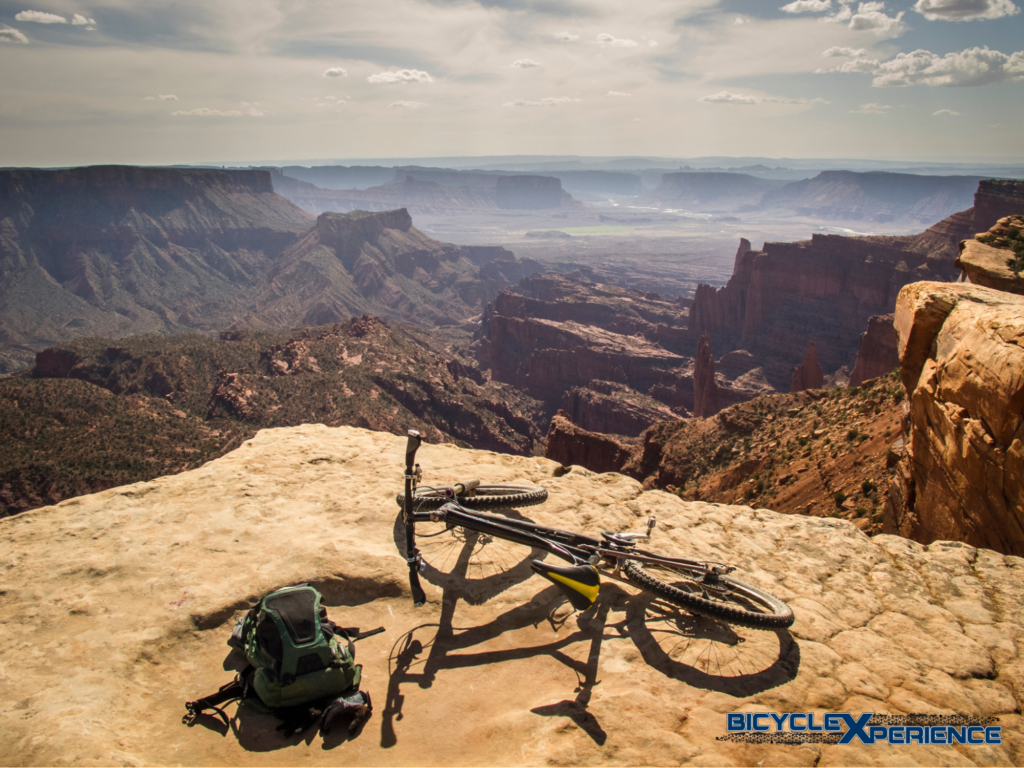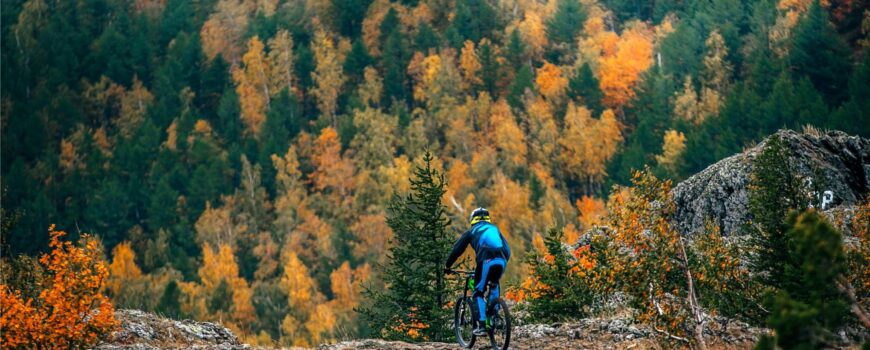
There’s a distinct shift that happens on the trails around Colorado Springs in late autumn. The sun sits lower on the horizon, morning frost coats the shaded turns on Section 16, and afternoon light disappears fast behind Pikes Peak. While plenty of fair-weather riders pack their gear away, late fall offers quiet trails, crisp air, and some of the best riding conditions of the whole year — if your bike is actually prepared for it.
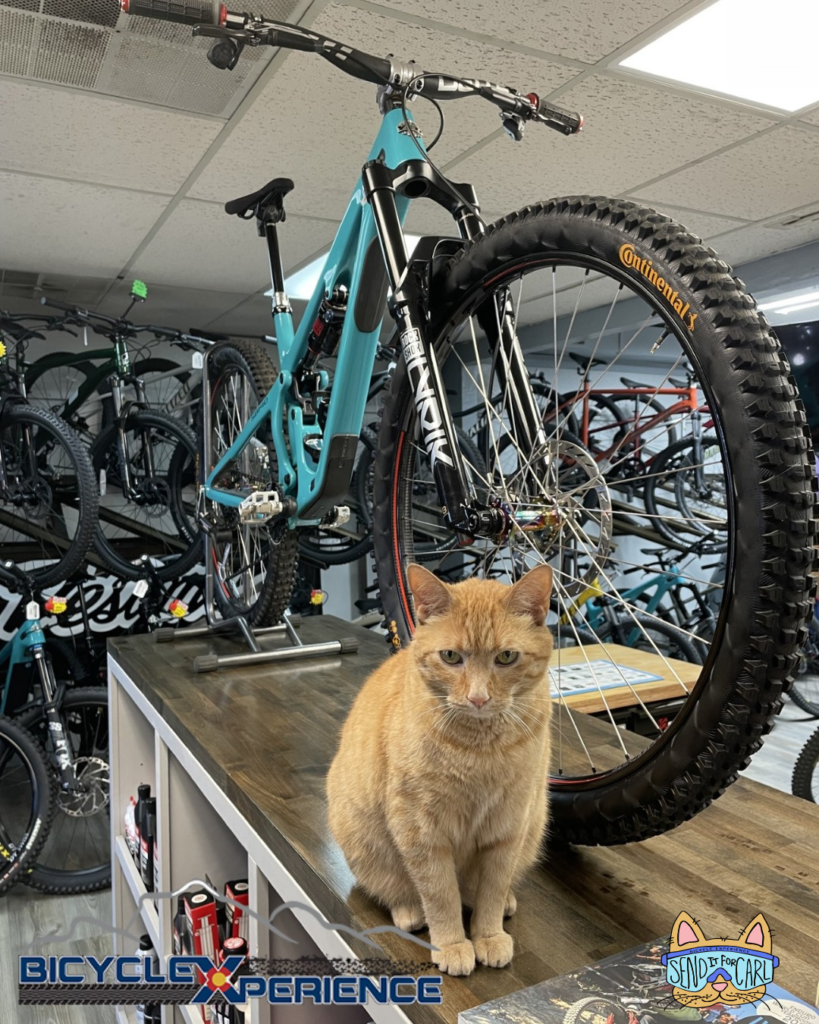
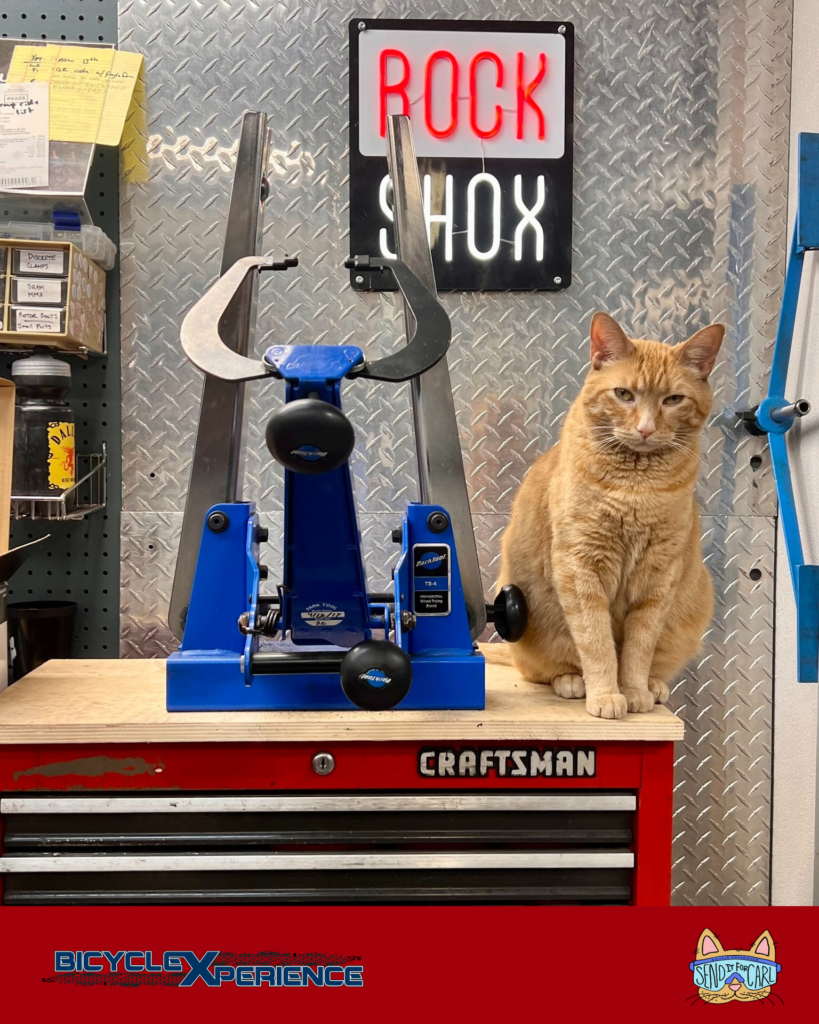
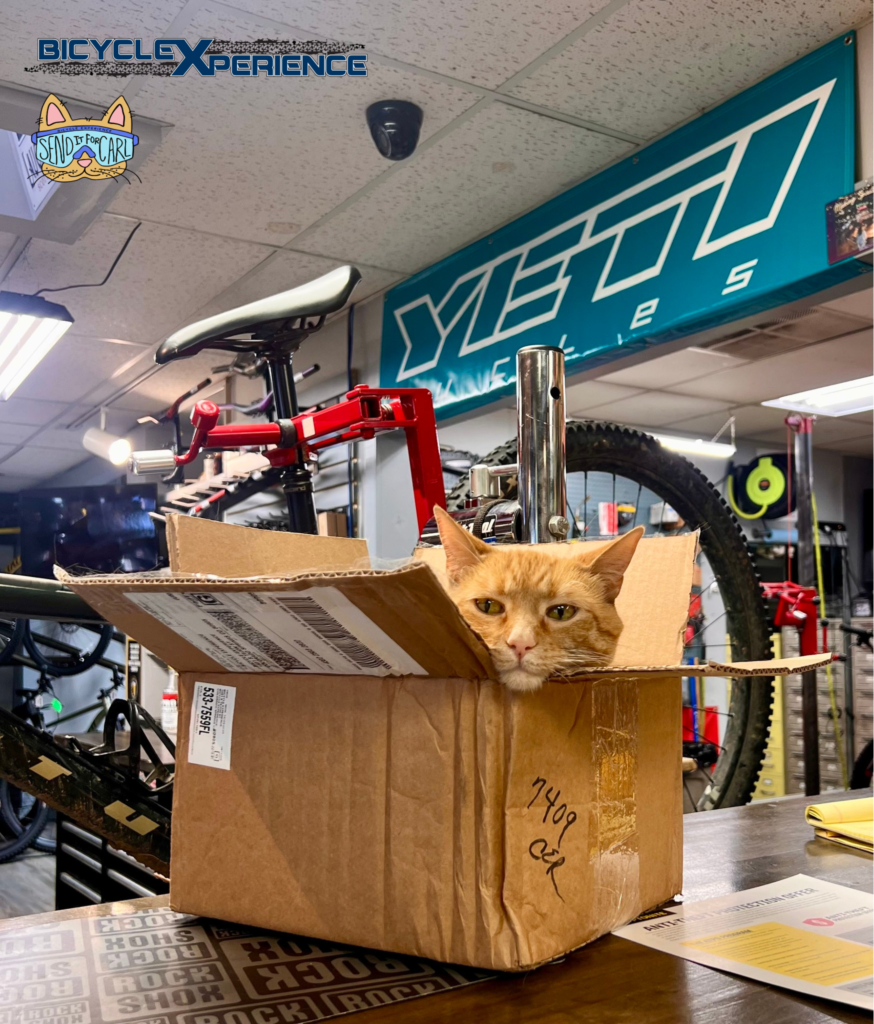
Carl the Cat, for the record, has fully committed to fair-weather status. You’ll find him parked on a shop towel by the heater, judging anyone who walks in still shivering from the cold.
Cold weather mountain biking maintenance in Colorado Springs requires a different approach than summer care. Low temperatures, freezing overnight dirt, and shorter daylight hours put unique demands on your frame, brakes, and drivetrain.
How Cold Temperatures Impact Hydraulics and Rubber
Sub-freezing mornings do interesting things to bike components. Fluid thickens, air contracts, and rubber compounds harden. If you’ve ever felt your brake levers feel stiff or slow to return on a chilly morning, you’ve experienced cold-weather fluid drag firsthand.
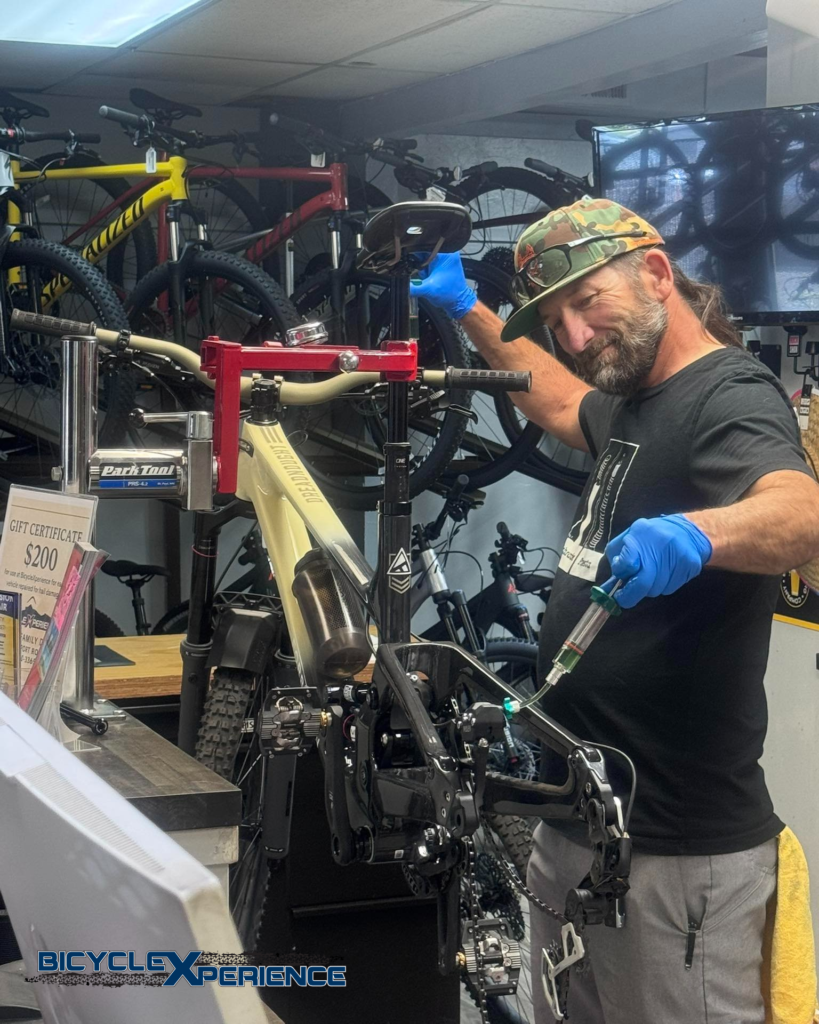
- Hydraulic Brakes: Mineral oil and DOT fluid both thicken as temperatures drop toward freezing. If your brakes haven’t been bled in over a year, tiny moisture droplets trapped inside the lines can freeze, causing inconsistent lever feel or brake drag. A quick system bleed removes trapped water and restores crisp lever action.
- Tire Compounds: Softer rubber compounds engineered for summer grip tend to stiffen in freezing temps. Drop your tire pressure by 1 to 2 PSI to compensate for the stiffer casing and maintain traction over frozen roots and slick granite.
- Dropper Posts and Suspension: Seals shrink slightly in cold air, which can allow air to bypass internal chambers. If your dropper post slows down or sags when you sit on it, it likely needs fresh grease on the collar seal or a cartridge recharge.
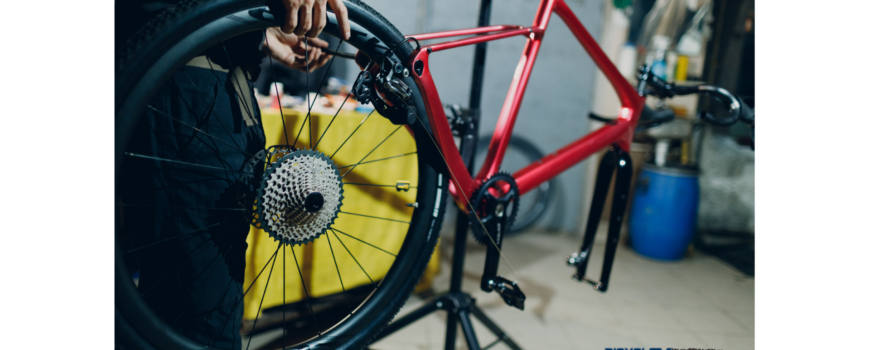
Drivetrain Care for Damp, Grit-Heavy Riding
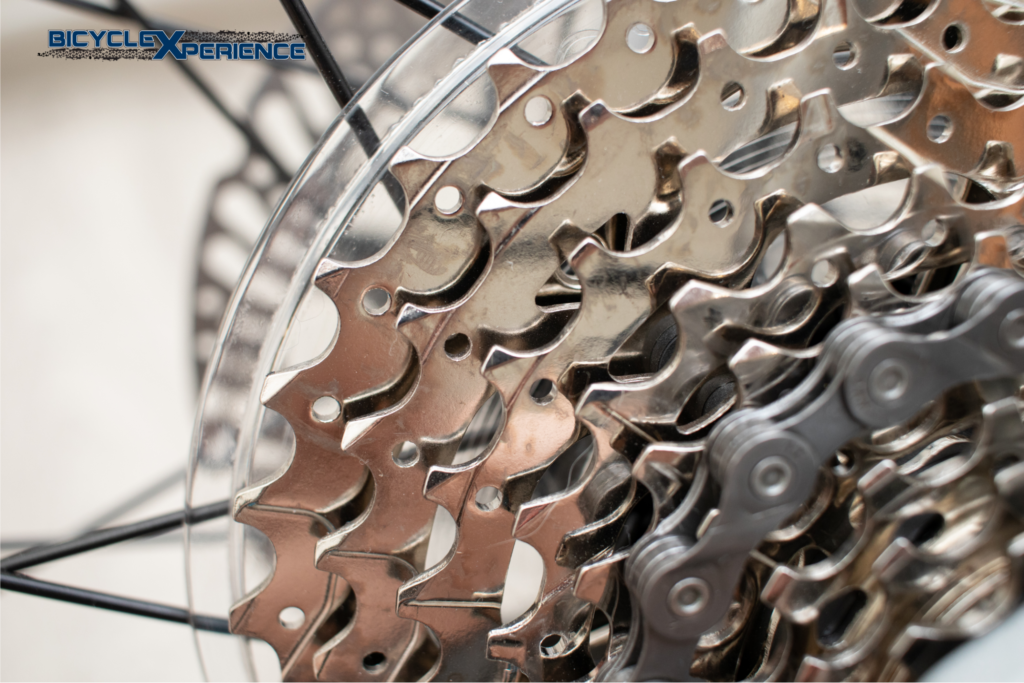
Late-fall trails often alternate between frozen dirt in the shade and soft mud in the sun. That combination flings a slurry of grit, decomposing plant matter, and moisture directly into your chain, cassette, and derailleur pulleys.
Running a dry summer lubricant in these conditions lets moisture strip protection off your chain in just a few miles, leading to surface rust and annoying chain suck on climbs. Switch to an all-weather synthetic chain lubricant that repels water without collecting excessive trail debris. After every ride, wipe down your drivetrain with a dry rag to remove lingering moisture before storing your bike in an unheated garage. It takes two minutes and saves you a much bigger headache come January.
Managing Light and Visibility for Afternoon Rides
With sunset arriving earlier every week, a minor mechanical issue like a broken chain or a flat tire can quickly turn a casual afternoon spin into a dark, freezing walk back to the trailhead.
Always pack a compact handlebar or helmet light rated for at least 800 lumens, even if you plan to be back before dusk. Cold weather drains lithium-ion batteries significantly faster than warm weather, so charge your lights fully before every ride and keep backup batteries or power banks stored close to your body inside a jacket pocket to keep them warm.
FAQ: Cold Weather Bike Maintenance
Can I store my mountain bike in an unheated garage all winter? Yes, but bring your suspension components, electronic shifting batteries, and light batteries indoors if temperatures drop well below freezing for extended periods.
Why are my hydraulic brakes squealing more in cold weather? Condensation and morning frost settle on brake rotors easily. A few hard stops usually generate enough friction heat to burn off surface moisture and quiet the noise.
Is trail mud different in late fall than spring? Yes. Fall mud often sits over frozen subsoil, meaning water can’t drain easily. If dirt is sticking heavily to your tires and frame, turn back to avoid tearing up the trail surface.
When should I start thinking about winter storage or seasonal service? If you plan to transition to snowboarding or ski biking once the snow settles, servicing your bike in late fall ensures it sits clean and ready to roll the moment spring arrives.
Riding through the cold-weather transition is all about staying ahead of the elements. A well-maintained bike handles freezing trailheads, sudden light shifts, and chilly descents without missing a beat.
Need help getting your bike ready for chilly trail laps or seasonal service? Bring your setup to Bicycle Experience. From hydraulic brake bleeds to full drivetrain overhauls, our mechanics will keep your ride running all year round flawlessly — and Carl will keep his heater spot warm for you in the meantime. While you’re in, ask about custom builds if you’ve been eyeing an upgrade, and once winter really settles in, we’ve got snowboard sales, rentals, and tuning ready to go too.
📍1601 S. Tejon St., Colorado Springs, CO 80905
📞 (719) 473-1015
🕒 Mon-Fri 10 AM – 6 PM
Sat 10 AM – 5 PM
Sun CLOSED