
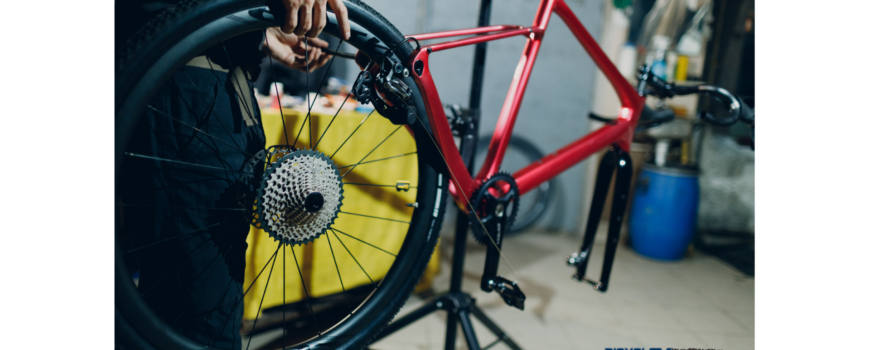
Every mountain biker eventually reaches a turning point with their ride. You’ve put a few hundred miles on your bike, you’re riding harder terrain, and you start noticing where your components feel like they’re holding you back. Maybe your shifting feels clunky under power, your brakes fade on long downhills, or your fork feels harsh over square-edged rocks.
That leaves you with a big decision: should you throw a few hundred dollars into upgrading parts, or is it better math to sell the bike and buy a new one? Come ask us in person and you’ll probably get an opinion from Carl the Cat too — he’s got strong feelings about anyone leaving a bike box open near his favorite napping spot.
The real answer usually comes down to three things: your frame’s geometry, current component standards, and what you actually want out of your rides on Colorado Springs trails.
When Upgrading Components Actually Makes Sense
Upgrading makes total sense if you already love your frame, the geometry fits your riding style, and the bike uses modern frame standards. If your frame handles well on local trails like Palmer Park or Ute Valley, upgrading key contact points or wear-and-tear items yields a massive jump in performance without the cost of a full new bike.
Here are the upgrades that give you the biggest return on your investment:
- Wheelsets: Factory entry-level wheels are often heavy and flex under hard cornering. Upgrading to a stiffer, lighter wheelset with faster hub engagement changes how your bike accelerates and climbs instantly.
- Brakes: Moving from basic two-piston brakes to four-piston hydraulic brakes gives you significantly better stopping power and lever feel, especially on long, steep descents like Captain Jack’s.
- Dropper Seatposts: If your bike didn’t come with a dropper post, adding one is hands-down the single best functional upgrade you can make for trail riding.
- Drivetrain Wear Items: Upgrading to a clutch rear derailleur or a wider-range cassette eliminates chain slap and helps you clear steep technical climbs without running out of gears.
If your frame is in great shape and built on modern standards, like Boost axle spacing and a tapered headtube, targeted upgrades keep your bike feeling fresh for years.
When Buying a New Bike Is Better Math
There’s a point of diminishing returns where upgrading individual parts becomes an expensive trap. If you find yourself wanting to swap out the fork, the drivetrain, the wheels, and the brakes all at once, you’ll almost always pay significantly more buying those parts separately than you would buying a complete new bike.
You should consider buying new if:
- Your frame uses outdated standards. Older bikes with quick-release axles, straight steerer tubes, or non-Boost hub spacing make finding quality replacement parts difficult and expensive.
- The frame geometry doesn’t match your riding. If you feel cramped, unstable on steep descents, or overly pitched forward, no component upgrade will fix a frame geometry that doesn’t fit your style.
- The total cost exceeds 60% of a new bike. If your planned upgrades cost more than half of what a modern complete bike costs, save that money and apply it toward a new ride with updated suspension design and a frame warranty.
The Custom Build Alternative
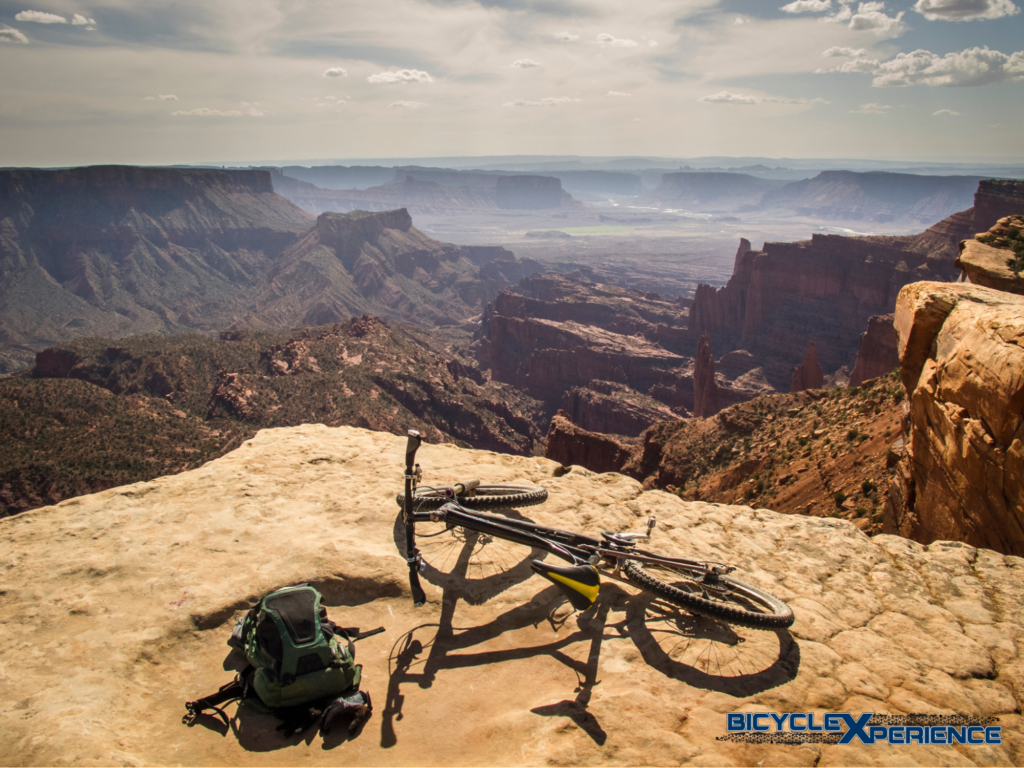
If you fall somewhere in the middle — you know exactly what parts you want and don’t want to compromise on a pre-built factory spec — a custom frame build is often the ideal path. Starting with a bare frame lets you choose every component based on your weight, riding style, and budget, so you’re not stuck replacing brand-new factory parts down the road. This is genuinely one of our favorite kinds of projects to work through with a rider, start to finish.
FAQ: Bike Upgrades and Value
What is the single most noticeable upgrade on a mountain bike? Tires and wheels. Swapping heavy stock tires for a high-quality compound tailored to local granite scree changes your traction and rolling resistance immediately.
Is it worth upgrading an entry-level mountain bike? It depends on the frame. If the frame uses modern standards (tapered headtube, Boost spacing, internal dropper routing), light upgrades are worth it. If it uses older standards, put that money toward your next bike.
Will upgrading my fork make climbing easier? Yes, if the new fork features a better climb switch or lock-out setting and weighs less than your stock coil fork. Better compression damping also keeps the front end from bobbing unnecessarily when you pedal out of the saddle.
How do I know if my frame uses modern standards? Look at your wheel attachments and headset. Through-axles, rather than thin quick-release skewers, and a wider, tapered fork crown are the two easiest visual signs of modern frame standards.
Making the right call between upgrading and replacing comes down to knowing what your frame is actually capable of handling, not just what parts catalog you happened to be scrolling through last night.
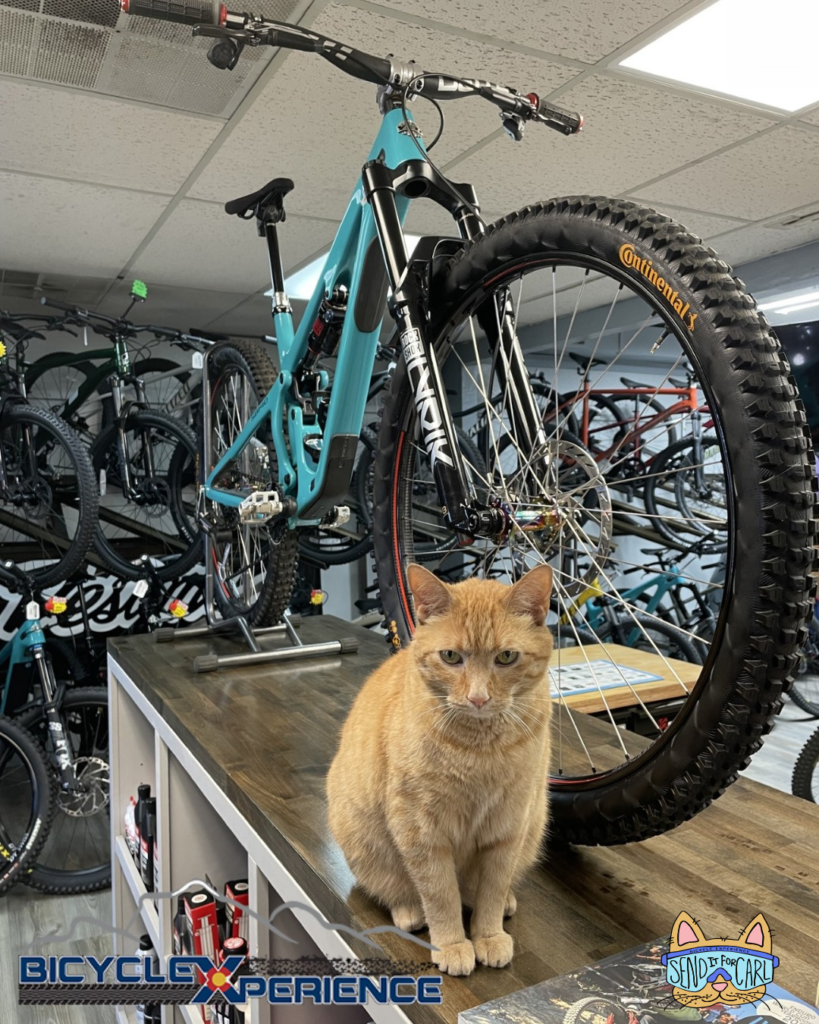
Thinking about upgrading your setup or building a custom ride from the ground up? Stop by Bicycle Experience on Tejon Street. Bring your bike in, tell us what trails you like to ride, and our mechanics will help you weigh the math on upgrades versus a new build. Carl will probably supervise the whole conversation from somewhere nearby. While you’re in, ask us about our full repair services too, and if winter’s got you thinking about more than just two wheels, we’ve got you covered on snowboard sales, rentals, and tuning.
📍1601 S. Tejon St., Colorado Springs, CO 80905
📞 (719) 473-1015
🕒 Mon-Fri 10 AM – 6 PM
Sat 10 AM -5 PM
Sun CLOSED